How to tell if black mold is growing behind your drywall
Musty odors, warped baseboards, and mystery allergy symptoms often mean black mold is growing behind your drywall. Here is how to confirm it in VENTURA.
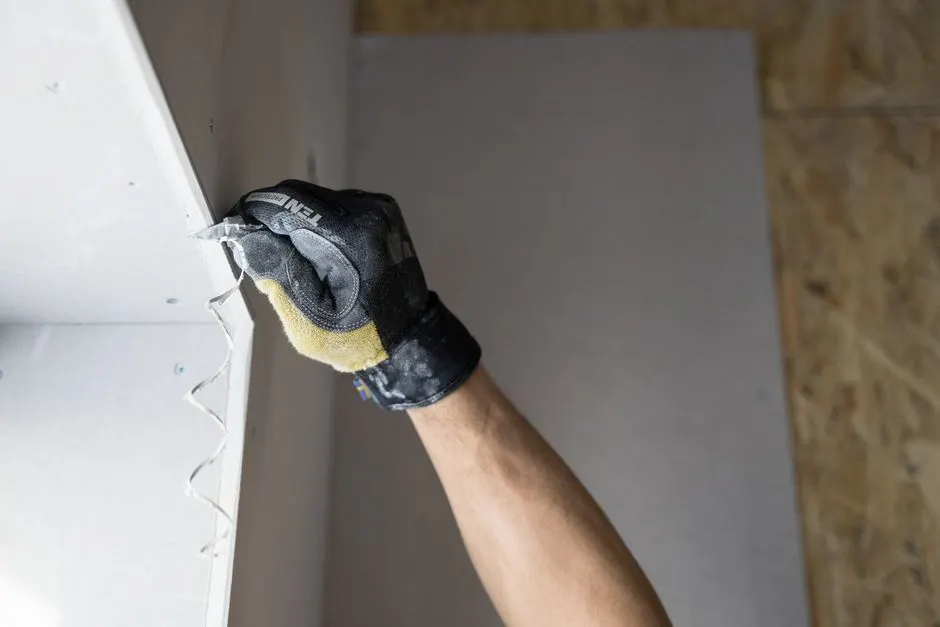
Black mold is growing behind your drywall if you notice a musty, earthy odor that will not go away, warped or soft drywall, bubbling paint, dark staining near baseboards, or allergy symptoms that flare up only in one room. Those signs mean moisture has been trapped inside the wall long enough for mold to colonize the paper facing on the drywall. This guide walks through the specific clues we look for during a mold inspection VENTURA call, how to check without ripping out your wall, and when it is time to bring in a pro.
Why black mold hides behind drywall in VENTURA
Black mold behind drywall in VENTURA is common because our coastal humidity, marine layer, and older housing stock create the exact conditions mold needs: moisture, warmth, and a food source. Drywall paper is a food source. Once a wall cavity stays above 60% relative humidity for more than 48 hours, mold spores that are already in the air can settle and start growing.
Ventura homes built before 1980 often have copper supply lines that pinhole, cast iron drains that weep at the joints, and stucco exteriors that crack around window flashing. Any of those can drip inside a wall for weeks before you see a stain. Add a roof leak during a January storm or a slow supply-line drip under a kitchen sink, and you have a hidden mold colony that never gets sunlight or airflow.
The reason it stays hidden is simple: drywall is porous. Mold grows on the back side of the paper facing, inside the cavity, where you cannot see it. By the time it shows through the front, the colony is usually several square feet. That is why we treat every musty smell in a VENTURA home as a wall-cavity problem until proven otherwise.
The 7 signs of black mold behind drywall
Hidden black mold signs in VENTURA California homes usually show up in clusters, not one at a time. Here are the seven we see most often, ranked by how reliably they point to mold inside the wall.
- Musty, earthy odor that returns after cleaning. If you wipe down the room and the smell is back within a day, the source is inside the wall, not on the surface.
- Warped, soft, or bowed drywall. Press gently with your palm. A healthy wall is rigid. A moldy wall feels spongy and may flex.
- Bubbling or peeling paint. Moisture pushes paint off the drywall from behind. Paint bubbles are one of the earliest visible clues.
- Dark staining along baseboards or ceiling edges. Black or greenish-black speckling near the floor line or in ceiling corners is classic black mold behind baseboards VENTURA California pattern.
- Visible black speckling in a straight line. Mold often grows along a seam, a stud line, or where two sheets of drywall meet.
- Allergy symptoms that flare in one room. Sneezing, itchy eyes, or a scratchy throat that improves when you leave the room is a strong signal.
- A recent water event you did not fully dry. A burst supply line, roof leak, or overflow that was wiped up but never dried inside the wall is the number-one cause we find.
Two or more of those together is enough to justify a professional look. One alone might be coincidence. Four or more and you almost certainly have mold in the cavity.
How do I check for black mold behind drywall without tearing it out?
You can check for black mold behind drywall without demolition by using your nose, a moisture meter, and a small inspection hole. Start with the smell test. Close the door and windows, leave the room for 15 minutes, then walk back in. If the musty odor hits you at the doorway, the mold is active.
Next, buy or borrow a pin-type moisture meter, usually $30 to $80 at a hardware store. Press the pins into the drywall at several heights: 6 inches above the baseboard, mid-wall, and near the ceiling. Anything reading above 16% moisture content is a problem. Above 20% and mold is almost certainly growing.
If the meter flags a spot, you can make a small inspection hole. Use a utility knife to cut a 2-inch by 2-inch square at the flagged area, pull the piece out, and look inside with a flashlight. Black or dark green fuzzy growth on the back of the paper or on the stud is confirmation. Tape the piece back with painter's tape until a pro arrives.
Do not cut into a wall that might contain asbestos or lead paint if your home was built before 1980. In that case, call us for a black mold inspection VENTURA instead. We use borescopes and thermal imaging so we can see inside the cavity without cutting.
If you want lab confirmation of what species you are dealing with, we can collect air and surface samples through mold testing VENTURA. Results usually come back in 24 to 72 hours and tell you whether you have Stachybotrys (the classic black mold), Cladosporium, Penicillium, or a mix.
Can black mold behind drywall make you sick?
Yes. Black mold behind wall symptoms VENTURA residents report most often are chronic sinus congestion, headaches, coughing, itchy or watery eyes, and skin irritation. The symptoms tend to be worse in the room with the mold and better when you leave the house for a few days.
People with asthma, young children, older adults, and anyone with a compromised immune system are at higher risk. If your family has been dealing with a mystery illness that clears up on vacation and returns at home, mold is worth ruling out.
We are not doctors, and we do not diagnose. What we do is remove the source. Once the mold is gone and the moisture problem is fixed, most people notice their symptoms fade within a week or two. If they do not, see your physician.
What to watch out for when checking for black mold
Most homeowners make the same four mistakes when they suspect mold behind drywall. Avoiding them saves money and keeps you safe.
- Bleaching the surface and calling it done. Bleach kills mold on non-porous surfaces, but it cannot reach mold growing on the back of drywall paper. The colony returns within weeks.
- Cutting a large exploratory hole. A big hole spreads spores through the room. A 2-inch inspection hole is enough to confirm, and a pro can patch it later.
- Running a fan or AC in the affected room. Air movement pushes spores into the rest of the house. Shut the HVAC off and close the door.
- Assuming a small stain is a small problem. By the time you see a stain on the front of drywall, the mold behind it is often 10 to 20 times larger than the visible spot.
One more: do not trust a $15 home test kit from a big-box store. Those petri dishes catch airborne spores from everywhere in the room, not from inside the wall. They give false positives and false negatives. A certified mold inspector VENTURA uses calibrated pumps and lab analysis that actually tells you what is in the cavity.
When to call a professional
Call a professional when the mold covers more than 10 square feet, when you smell it but cannot find it, when the drywall is soft or crumbling, or when anyone in the home has ongoing symptoms. Those are the four triggers that mean DIY is no longer the right call.
Our team at Mold Remediation Service Ventura handles the whole job: we find the moisture source, contain the work area with negative air pressure, remove and bag the affected drywall, treat the framing, and verify the cavity is clean with post-remediation testing. We also fix the underlying leak or humidity problem so the mold does not come back.
If you are not sure whether you need a full mold remediation company VENTURA or just a quick inspection, start with the inspection. It is faster and cheaper than guessing.
Frequently Asked Questions
How do I know if black mold is behind my drywall in VENTURA?
A musty odor that returns within 24 hours of cleaning, plus a moisture meter reading above 16% on the wall, is the strongest indicator. Warped drywall, bubbling paint, and dark staining near baseboards confirm it. A 2-inch inspection hole shows the mold directly.
What are the signs of black mold behind walls in VENTURA California?
Look for a persistent earthy smell, soft or bowed drywall, paint bubbles, black speckling along seams or baseboards, and allergy symptoms that flare only in one room. Any two of those together justify a professional look.
Can black mold behind drywall make you sick in VENTURA?
Yes. Common symptoms are sinus congestion, headaches, coughing, itchy eyes, and skin irritation that improve when you leave the home. Children, older adults, and people with asthma or immune conditions are most affected.
How do I test for black mold behind drywall in VENTURA California?
Start with a pin-type moisture meter and a small inspection hole. For lab confirmation, a certified inspector collects air and surface samples and sends them to an accredited lab. Results typically come back in 24 to 72 hours.
Who removes black mold from drywall in VENTURA?
A licensed mold remediation company removes the affected drywall, treats the framing, and verifies the cavity is clean. Mold Remediation Service Ventura handles the full job, including the moisture source, containment, removal, and post-remediation testing.
Get help with Mold Remediation Service in VENTURA
If you have smelled that musty odor for more than a week or found dark staining along a baseboard, do not wait. Mold spreads fast once the wall cavity stays wet, and every day you delay adds square footage to the removal.
Call Mold Remediation Service Ventura at (833) 929-5837 for a same-week inspection. We will tell you exactly what is behind the wall, what it will cost to remove, and how to keep it from coming back.