How to stop attic mold from coming back after removal
Attic mold returns when the moisture source never gets fixed. Here is how Ventura homeowners stop it for good with ventilation, insulation, and aftercare that works.
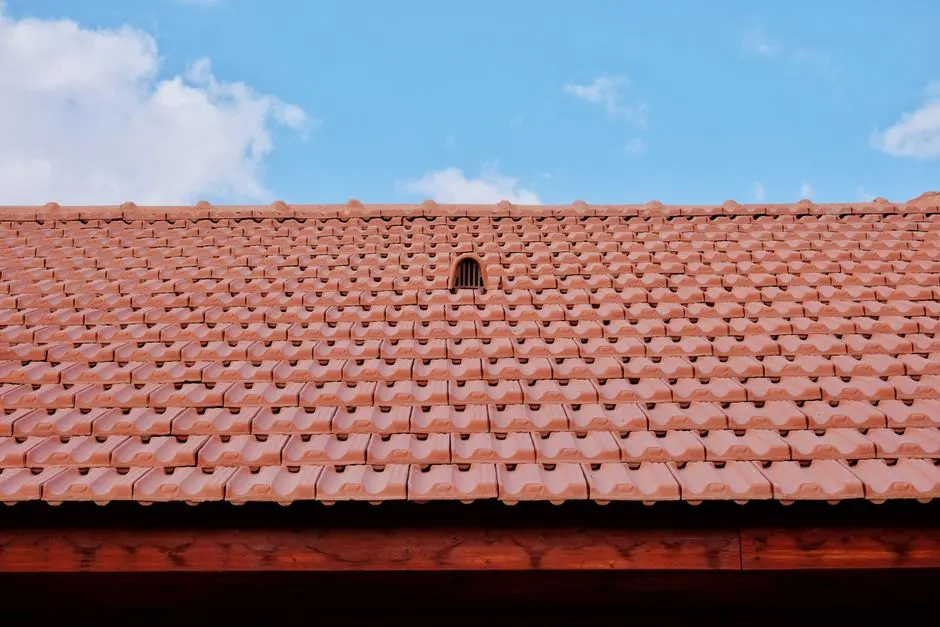
Attic mold comes back because the moisture source was never fixed, not because the removal failed. In Ventura, that source is almost always warm, humid air leaking from the living space into a cooler attic, where it condenses on roof sheathing and feeds new growth within weeks. This guide covers exactly how to stop attic mold from coming back in Ventura, California, from ventilation math to insulation and post-removal checks.
We have crawled through hundreds of attics from Ventura Avenue to the hills above Foothill Road, and the pattern is always the same. The mold gets scrubbed, the attic looks clean, and six months later the same brown staining creeps back along the north-facing sheathing. The fix is not more bleach. It is controlling the air and water that got in there in the first place.
Why attic mold keeps coming back in Ventura
Attic mold recurring in Ventura is a moisture problem, and the moisture almost never originates in the attic itself. It comes from below. Bath fans, kitchen exhaust, dryer vents, and leaky ceiling penetrations push humid air upward, and that air finds the coldest surface in the house: the underside of your roof deck.
Ventura's climate makes this worse in a specific way. Our coastal fog and marine layer keep overnight attic temperatures low, often 15 to 25 degrees cooler than the living space. When 70-degree, 60-percent-humidity air from your bathroom hits 55-degree sheathing, it condenses. That thin film of water is all mold needs. It can colonize in 24 to 48 hours and become visible in 10 to 14 days.
Three conditions drive nearly every recurring attic mold case we see:
- Unbalanced ventilation. Intake and exhaust are mismatched, so air stagnates instead of flushing.
- Air leaks from the living space. Recessed lights, attic hatches, and top plates leak warm, moist air year-round.
- Roof or flashing leaks. Even a slow drip at a vent boot or chimney flashing keeps one section of sheathing wet.
If you are not sure which one you are dealing with, a professional mold inspection VENTURA will identify the moisture source and map the affected area before anyone touches a scrub brush.
How do I stop attic mold from coming back in Ventura?
You stop attic mold from coming back by eliminating the moisture source, correcting ventilation to move 10 to 12 air changes per hour through the attic, and sealing every air path between the living space and the attic. Removal kills what is there. Those three steps keep it from returning.
The order matters. If you seal and ventilate before you remove, you trap spores and debris. If you remove before you fix the moisture, you waste the money. The correct sequence is: test, remove, correct moisture, verify.
Here is the sequence we follow on every attic job in Ventura:
- Test first. Surface and air sampling tells us whether it is active growth or old staining.
- Remove. HEPA vacuuming, antimicrobial treatment, and in severe cases dry ice blasting or fogging.
- Correct moisture. Fix leaks, seal air paths, balance ventilation.
- Verify. Post-remediation testing confirms the attic is clean and dry.
That last step is the one most homeowners skip, and it is the one that catches a problem before it becomes a second remediation bill. A proper post remediation mold testing VENTURA clearance gives you a documented baseline you can compare against if anything changes.
Fix the moisture source first, not the stain
Every recurring attic mold case has a moisture source, and finding it is the whole job. Bleaching the stain without finding the source is why attic mold recurring in Ventura keeps happening to the same houses.
Start with the obvious paths. Bath fans that vent into the attic instead of through the roof are the number one cause we find. A single bathroom fan running 20 minutes a day can dump a quart of water vapor into the attic. Kitchen exhaust that terminates in the attic does the same thing. Dryer vents that have come loose from their roof cap are another common one.
Then check the roof itself. In Ventura, we see failures at three points more than any others: vent boots on plumbing stacks, chimney flashing, and the valley where two roof planes meet. A pinhole leak at a vent boot can saturate a 4-foot section of sheathing over a single winter.
If you have had any water intrusion, even a small one, that area needs attention before you consider the attic done. Water damage mold remediation in Ventura is a different scope than a standard attic cleanup because the moisture has usually reached framing and insulation, not just the surface.
Attic ventilation mold prevention in Ventura
Attic ventilation mold prevention in Ventura comes down to one number: 1 square foot of net free ventilation area for every 150 square feet of attic floor space, split evenly between intake and exhaust. Most Ventura attics we inspect are at half that, or they have all exhaust and no intake.
Exhaust without intake does not ventilate. It depressurizes. A ridge vent with no soffit vents pulls air from the path of least resistance, which is usually the living space below. That pulls conditioned, humid air into the attic and makes the mold problem worse, not better.
What we typically install or correct:
- Soffit intake vents sized to match the exhaust, kept clear of insulation.
- Ridge or static roof vents for exhaust, positioned to use prevailing coastal airflow.
- Baffles at every rafter bay so blown insulation does not block the soffit intake.
If your attic has a powered fan, check whether it is pulling air from the house. A fan that runs on a thermostat can actually worsen moisture problems if intake is inadequate. We see this constantly in older Ventura homes with retrofitted ventilation.
Insulation, air sealing, and ductwork
Air sealing is the highest-return fix for recurring attic mold, and it is the one most homeowners have never heard of. Sealing the air paths between your living space and attic stops the moisture at the source.
Prioritize these penetrations:
- Recessed can lights, especially older non-IC fixtures.
- The attic hatch or pull-down stair, which is often just a piece of drywall.
- Top plates where interior walls meet the ceiling.
- Bath fan housings, even when the fan vents correctly.
- Plumbing and electrical penetrations through the ceiling.
Insulation comes next. In Ventura we target R-38 to R-49 in the attic floor. Blown-in cellulose or fiberglass works well, but only after air sealing. Insulating before sealing traps moisture against the ceiling and can cause problems in the living space.
Ductwork matters too. Leaky supply ducts in a vented attic push conditioned air into the attic, and that air carries moisture. Sealing duct joints with mastic and proper tape is a small job with a big payoff. If your ducts are original to a 1970s or 1980s Ventura home, they are almost certainly leaking.
Attic mold removal aftercare in Ventura
Attic mold removal aftercare in Ventura is what separates a job that holds from one that fails. The first 30 days after remediation are when you find out whether the moisture fix worked.
Here is what we tell every homeowner to do:
- Check the attic at 30 days. Look at the same sheathing you had treated. Any new discoloration means moisture is still getting in.
- Run bath fans for 20 minutes after every shower. Not 5. Twenty. And confirm they vent through the roof, not into the attic.
- Keep the attic hatch sealed. A weatherstripped, insulated hatch costs about $40 in materials and stops a surprising amount of air movement.
- Watch your winter humidity. If indoor relative humidity stays above 55 percent, you are feeding the attic.
- Re-test at 6 and 12 months if you had a significant infestation.
If you had a serious infestation, a proper attic mold removal VENTURA California plan includes a documented clearance test. That test is your proof the job worked, and it is what we hand over at the end of every attic project.
Common mistakes that let attic mold return
The most common mistake is treating the mold without fixing the moisture. Bleach, foggers, and paint-over products kill surface growth and leave the food source and water source intact. Mold returns in weeks.
Other mistakes we see regularly in Ventura attics:
- Venting bath fans into the attic. This is the single biggest cause of recurring attic mold we find.
- Adding exhaust without intake. A new ridge vent on an attic with blocked soffits makes the problem worse.
- Insulating over a moisture problem. Insulation hides the sheathing and traps moisture against it.
- Skipping the clearance test. Without it, you have no idea whether the job actually worked.
- Ignoring a small roof leak. A $300 flashing repair becomes a $4,000 remediation if you wait a season.
One more: using the wrong product on the wrong surface. Porous materials like insulation and drywall that have been colonized usually need to be removed, not treated. Non-porous surfaces like sheathing and framing can be cleaned and treated.
When to call a professional
Call a professional when the affected area is larger than 10 square feet, when you can smell mold but cannot see it, or when mold has returned after a previous removal. Those three situations almost always mean the moisture source was never correctly identified.
We handle the whole sequence: testing, removal, moisture correction, and clearance verification. If you are dealing with a recurring problem, our team can trace it back to the source and fix it so the same attic does not end up on your repair list twice. You can see how we approach mold remediation near me VENTURA on our service page, or call us to schedule an assessment.
Typical 2026 pricing in this area runs $1,500 to $3,500 for a standard attic remediation, and $300 to $700 for the moisture correction work that keeps it from coming back. The second number is the one that matters long term.
Frequently Asked Questions
How do I stop attic mold from coming back in Ventura?
Fix the moisture source first, then correct ventilation to 1 square foot of net free vent area per 150 square feet of attic, then seal air leaks between the living space and attic. Removal alone does not stop it. Most recurring cases trace back to a bath fan venting into the attic or blocked soffit intake.
Why does attic mold return after removal in Ventura California?
Because the moisture that fed it is still there. Ventura's coastal fog keeps attic sheathing cool, and warm humid air from the living space condenses on it within hours. If bath fans, air leaks, or roof leaks were not corrected, new growth appears in 10 to 14 days.
What causes attic mold to come back in Ventura?
Three things, in order: bath or kitchen exhaust venting into the attic, air leaks around recessed lights and the attic hatch, and roof or flashing leaks. Any one of them keeps a section of sheathing wet enough for mold to recolonize within two weeks.
How can I prevent attic mold in Ventura California?
Run bath fans 20 minutes after every shower, confirm they vent through the roof, keep indoor humidity below 55 percent, seal the attic hatch, and have the attic inspected every two to three years. If you have had a roof leak, check the sheathing within 30 days.
Who can fix recurring attic mold in Ventura?
A licensed mold remediation company that also handles moisture correction, not just removal. You want one company to test, remove, fix the ventilation and air sealing, and verify with a clearance test. Splitting those steps between contractors is how problems get missed.
Get help with Mold Remediation Service in Ventura
If attic mold has come back after a previous removal, the fix is finding the moisture source and correcting it, not scrubbing harder. Our team handles testing, removal, ventilation correction, and clearance verification so the same attic does not end up on your list twice.
Call Mold Remediation Service Ventura at (833) 929-5837 to schedule an attic assessment. We will tell you what is feeding the mold and what it takes to stop it.