Signs Your Crawl Space Has Mold and What to Do Next
Musty air, sagging floors, and humidity above 60% are the top signs your crawl space has mold in VENTURA California. Here is what to do next.
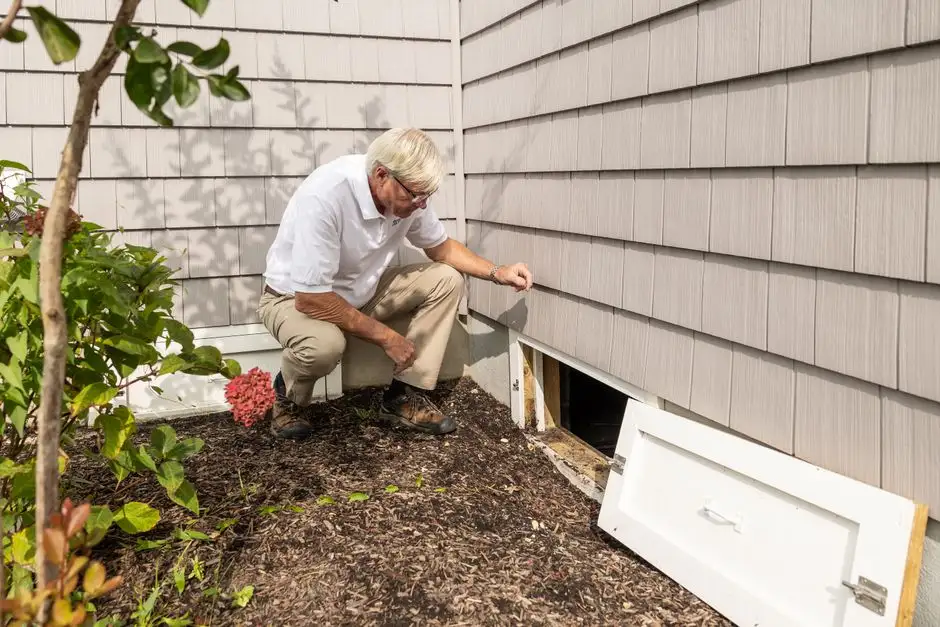
The clearest signs your crawl space has mold in VENTURA California are a musty smell that gets stronger when the heat kicks on, dark staining or white powdery growth on floor joists, and relative humidity that stays above 60% for days at a time. If you can smell that damp basement odor from the living room, the mold colony is already established and releasing spores into your air.
Crawl space mold is a fungal growth problem that starts when wood framing stays wet or above 60% relative humidity for more than 48 hours. We inspect and remediate crawl spaces across Ventura County every week, and the pattern is almost always the same: a small moisture source, six months of neglect, and a repair bill that grows every season you wait. This guide walks through the visible and hidden signs, how to check your own crawl space safely, what remediation actually involves, and what it costs in 2026.
What Are the First Signs Your Crawl Space Has Mold in VENTURA California?
The first sign is usually smell, not sight. Crawl space mold symptoms in VENTURA California show up in the living space long before you crawl under the house - musty air, allergy flare-ups that ease when you leave home, and a heating system that seems to spread the odor to every room.
Here is what we find on most first inspections:
- Musty, earthy odor that is strongest near floor vents, under bathrooms, and in hallways above the crawl space access.
- Dark green, black, or gray patches on joists, subfloor, and pier posts - often in the corners where airflow is worst.
- White or chalky powder on wood, which is often mold combined with mineral efflorescence from evaporating groundwater.
- Cupping, bowing, or soft spots in hardwood floors and a springy feel when you walk across the room.
- Condensation on ductwork, pipes, and vapor barrier during cool mornings.
- Increased allergy or asthma symptoms for family members, especially in bedrooms above the crawl space.
Under house mold signs in VENTURA often get blamed on the carpet or the HVAC filter first. If you have replaced filters twice in a season and the smell returns within a week, the source is almost certainly below the floor.
Why VENTURA Crawl Spaces Grow Mold So Fast
Ventura sits in a coastal marine layer zone, and that is the whole story. Morning fog, overnight dew points in the 50s and low 60s, and soil that stays cool year-round keep crawl space wood at or near the dew point for most of the year.
Three local conditions push crawl spaces over the edge:
- Marine layer humidity. Ventura averages 70% to 80% outdoor relative humidity overnight for much of the year. That air enters through foundation vents and condenses on cool joists.
- Older housing stock. A large share of homes in midtown Ventura, the Avenue, and Ventura Heights were built between 1920 and 1970 with pier-and-beam foundations, minimal vapor barriers, and no insulation under the floor.
- Winter rain and poor drainage. Between November and March, roof runoff and yard grading push water against the foundation. That water wicks into the soil and evaporates straight up into the crawl space.
We also see it in newer construction along the Ventura River corridor and in the hills above Ventura College, where hillside drainage concentrates under slab edges and stem walls. The building age changes the details, not the outcome.
If you are already dealing with water intrusion, our team handles Water Damage Mold Remediation in VENTURA, California as a single job - dry the structure, remove the growth, and verify the wood is back under 16% moisture content before we close up.
How Do I Check My Crawl Space for Mold in VENTURA California?
You can check your crawl space for mold in VENTURA California in about 20 minutes with a flashlight, a respirator, and a moisture meter - but only if you can safely get in and out. If the access hatch is under a bathtub, the clearance is under 18 inches, or the soil is wet and slick, do not go in.
If you do go in, here is the sequence we use:
- Smell before you look. Stand at the access opening for 30 seconds. A sharp musty odor means active growth.
- Scan the joists and subfloor with a bright LED. Look at the top edge of every joist and the underside of the subfloor above bathrooms and kitchens first.
- Check the vapor barrier. If you can see bare soil, or the plastic is torn and pulled back, that is your moisture source.
- Test wood moisture. Push a pin meter into joists in three spots. Anything above 20% is actively wet; 16% or below is dry.
- Look for plumbing leaks. A single dripping supply line or a slow drain leak under a bathroom can feed mold for years without showing up in the living space.
- Photograph everything before you touch anything. Photos help when you get a second opinion or file an insurance claim.
What you should not do is spray bleach on the wood and call it done. Bleach kills surface cells on non-porous materials, but it does not penetrate framing lumber, and the water in the bleach feeds the next colony. That is why a professional Mold Inspection Near Me in VENTURA, California includes moisture mapping and, when needed, air and surface sampling - not just a visual walk-through.
Crawl Space Moisture and Mold: The Numbers That Matter
Crawl space moisture and mold in VENTURA come down to four numbers you can measure yourself. These are the thresholds we use on every job:
- 60% relative humidity - the ceiling. Above this, mold spores germinate on wood within 24 to 48 hours.
- 20% wood moisture content - the danger line. Framing above 20% is wet enough to support growth and to attract termites and carpenter ants.
- 16% wood moisture content - the target after drying. We do not close a job until joists read 16% or lower.
- 6 mil vapor barrier - the minimum thickness for a crawl space liner. We install 10 to 12 mil reinforced poly with sealed seams and 6-inch overlaps at the walls.
Temperature matters too. When crawl space air is 62°F and outdoor dew point is 58°F, you are two degrees from condensation on every joist. That is a normal Ventura morning from May through September.
What to Do If Your Crawl Space Has Mold in VENTURA
What to do if your crawl space has mold in VENTURA California depends on how much square footage is affected, but the order of operations never changes: stop the water, dry the space, remove the growth, then fix the conditions that let it grow.
Here is the process our crews follow:
- Find and stop the moisture source. Fix plumbing leaks, redirect downspouts, correct grading, and repair foundation cracks before anything else.
- Isolate the work area. We seal the crawl space access and use negative air pressure with HEPA filtration so spores do not migrate into the living space.
- Remove contaminated material. Porous items - wet insulation, cardboard, damaged subfloor sections - get bagged and removed. Structural lumber gets cleaned and treated.
- Clean and treat framing. We use HEPA vacuuming followed by an EPA-registered antimicrobial on joists, sills, and pier posts. For heavy growth on irregular surfaces, Dry Ice Blasting Mold in VENTURA, California removes the colony without adding moisture to the wood.
- Dry the space. Commercial dehumidifiers and air movers run until wood moisture reads 16% or lower across the entire crawl space.
- Install or replace the vapor barrier. Full encapsulation with sealed seams and wall terminations.
- Verify with post-remediation testing. Air and surface samples confirm the spore count is back to a normal outdoor baseline before we hand the space back.
Most residential crawl spaces in Ventura run 800 to 1,800 square feet. A typical job takes two to four days on site, plus a day for clearance testing.
Crawl Space Mold Removal Cost in VENTURA California (2026)
Crawl space mold removal cost in VENTURA California in 2026 runs $1,800 to $9,500 for most homes, with the average single-family job landing between $3,200 and $5,800. The spread comes down to square footage, how much wood has to be replaced, and whether encapsulation is part of the scope.
Typical 2026 pricing in this area breaks down like this:
- Inspection and moisture mapping: $250 to $550
- Air and surface sampling: $150 to $400 per set
- Mold remediation, 1,000 sq ft crawl space: $2,200 to $4,800
- Subfloor or joist replacement: $45 to $95 per linear foot
- Vapor barrier installation: $1.25 to $2.75 per square foot
- Full encapsulation with dehumidifier: $5,500 to $12,000
- Post-remediation clearance testing: $200 to $450
Insurance sometimes covers the remediation when the mold traces back to a sudden plumbing failure or storm intrusion, but it rarely covers the underlying moisture fix or encapsulation. We document the cause with photos and moisture readings so your adjuster has what they need.
If budget is the deciding factor, ask about Affordable Mold Remediation in VENTURA, California - we can phase the work, handling the growth removal and drying first and scheduling encapsulation in a second visit.
Common Mistakes Homeowners Make With Crawl Space Mold
The most expensive mistake is treating the mold without fixing the moisture. Every dollar spent on cleaning is wasted if the crawl space still sits at 70% relative humidity the following spring.
What we see most often:
- Bleach and paint. Bleach does not penetrate framing lumber, and painting over mold traps moisture and hides the problem until the wood fails.
- Running a box fan in the access hatch. A household fan moves spores into the living space without lowering wood moisture.
- Opening foundation vents in summer. In Ventura, summer outdoor air is often more humid than crawl space air. Venting can make the problem worse.
- Skipping clearance testing. Without post-remediation verification, you have no proof the spore count dropped.
- Ignoring the HVAC. If return ducts run through the crawl space, contaminated air gets pulled into every room.
- Waiting until spring. Mold does not go dormant in winter. It slows down, then explodes when the first warm week hits in March or April.
When to Call a Professional
Call a professional when the affected area is larger than 10 square feet, when the growth is on structural framing, when you can smell mold in the living space, or when anyone in the home has asthma or a compromised immune system. Those four conditions put the job past what a homeowner should handle with a respirator and a spray bottle.
Our team at Mold Remediation Service Ventura handles crawl space inspections, moisture mapping, remediation, encapsulation, and clearance testing as one coordinated job. We tell you what we found, what it will cost, and what we would do if it were our house.
Crawl Space Mold Prevention for VENTURA Homes
Crawl space mold prevention in VENTURA comes down to keeping wood dry. You do not need to eliminate every spore - you need to keep relative humidity under 60% and wood moisture under 16% year-round.
What actually works here:
- Grade the yard away from the foundation. Six inches of fall over the first 10 feet.
- Extend downspouts 6 to 10 feet from the foundation and keep gutters clear before the first November rain.
- Seal the vapor barrier. Full coverage, seams overlapped 6 inches and taped, edges secured to the stem wall.
- Insulate and air-seal the crawl space floor if you are encapsulating, and close the foundation vents.
- Run a crawl space dehumidifier set to 50% to 55% relative humidity from April through October.
- Inspect every fall. A 20-minute check in October catches small leaks before the rainy season turns them into a colony.
If you want a baseline before winter, schedule a Mold Testing in VENTURA, California visit. We sample the air and surfaces, measure wood moisture across the crawl space, and give you a written report with photos and a moisture map you can compare against next year.
Frequently Asked Questions
What are the signs of mold in a crawl space in VENTURA?
A musty odor in the living space, dark or white growth on joists and subfloor, wood moisture above 20%, and relative humidity above 60% are the four main signs. Floor cupping, allergy symptoms that ease when you leave home, and condensation on ductwork usually show up next.
How do I check my crawl space for mold in VENTURA California?
Use a bright LED and a pin-type moisture meter on joists and subfloor, and check the vapor barrier for tears. If clearance is under 18 inches or the soil is wet, stay out and book an inspection. A 20-minute check covers most crawl spaces under 1,500 square feet.
What should I do if my crawl space has mold in VENTURA?
Stop the moisture source first, then dry the space, remove the growth, and replace the vapor barrier. Do not bleach framing lumber. For anything over 10 square feet or on structural wood, call a remediation company for containment, HEPA filtration, and clearance testing.
Can crawl space mold affect my health in VENTURA California?
Yes. Air from the crawl space migrates into living areas through floor gaps and HVAC returns, carrying spores and microbial particles. People with asthma, allergies, or compromised immune systems are most affected. Symptoms often ease within days of proper remediation and drying.
Who removes crawl space mold in VENTURA?
Licensed mold remediation companies with containment equipment, HEPA filtration, commercial dehumidifiers, and post-remediation testing. Mold Remediation Service Ventura handles crawl space inspections, removal, encapsulation, and clearance testing across Ventura County, usually within two to four days on site.
Get Help With Mold Remediation Service in VENTURA
If you have smelled that musty odor for more than a week or found growth on your floor joists, the fastest way to stop the damage is a crawl space inspection with moisture readings and photos. We serve homeowners across Ventura, Oxnard, Camarillo, and the surrounding county.
Call Mold Remediation Service Ventura at (833) 929-5837 to schedule your crawl space mold inspection and get a written scope with 2026 pricing before any work begins.