Why your Ventura rental keeps getting mold in the bathroom
Bathroom mold keeps returning in Ventura rentals because the moisture source never gets fixed. Here's who's responsible, what it costs, and how to stop it.
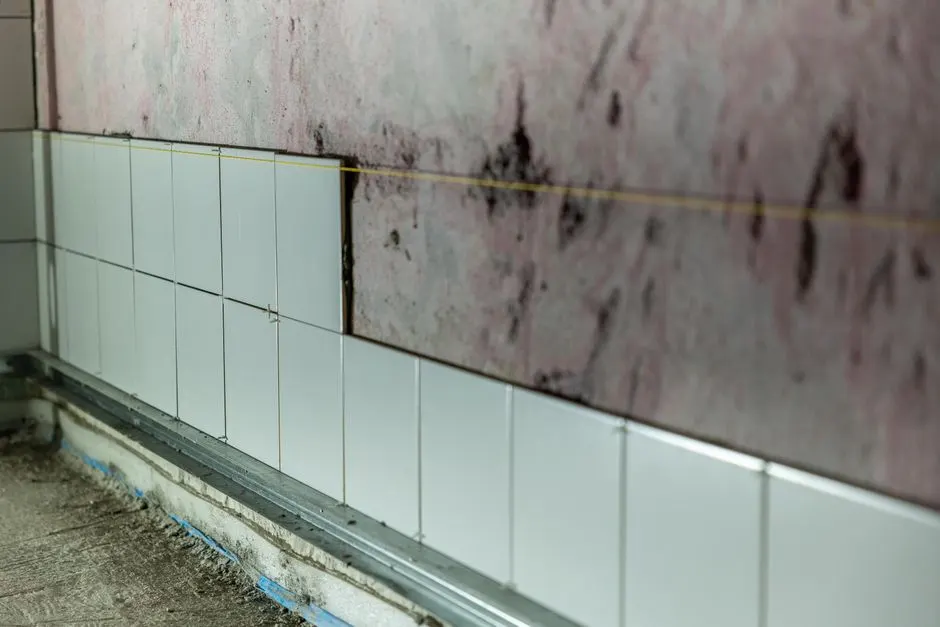
Your Ventura rental bathroom keeps growing mold because moisture is still getting into the room and staying there - usually from a slow leak, a failed exhaust fan, or a shower that never fully dries. Wiping the wall down kills what you can see, but the mold returns within two to six weeks because the water source and the humidity were never removed. This post breaks down exactly why bathroom mold in rentals in Ventura, California keeps coming back, who is legally responsible for fixing it, and what actually stops it for good.
Why bathroom mold keeps coming back in Ventura rentals
Why your Ventura rental keeps getting mold in the bathroom is a moisture problem, not a cleaning problem. Mold is a fungus that needs three things to grow: organic material to feed on (drywall paper, grout, paint, wood trim), a temperature between roughly 60°F and 80°F, and sustained moisture above about 60% relative humidity. Ventura bathrooms hit all three almost year-round.
Every time you shower, the average 8-minute shower releases about a half-gallon of water vapor into the air. If that vapor can't leave the room, it condenses on the coldest surface - usually the exterior wall, the ceiling above the shower, or the window frame - and stays there. Within 24 to 48 hours of that surface staying wet, mold spores that were already floating in the air settle in and start colonizing.
That's why the same corner of the same bathroom turns black again and again. You are not failing at cleaning. The room is failing at drying.
The Ventura-specific reasons mold returns every winter
Ventura's coastal climate is unusually good at growing mold indoors. We sit at 65% to 75% average outdoor relative humidity most of the year, and the marine layer that rolls in from the Pacific keeps interior walls cool and damp from October through April. That's the season we're heading into right now, and it's when our phone rings the most.
Three local factors make Ventura rentals worse than the average California rental:
- Older housing stock. A large share of Ventura rentals were built between 1950 and 1985 - the Pierpont, Midtown, and Ventura Avenue neighborhoods are full of them. Those bathrooms often have 4-inch exhaust fans (or none at all), single-pane windows that sweat, and original tile over drywall that has been wet and re-dried dozens of times.
- Marine-layer condensation. Cool exterior walls plus warm interior air equals condensation on the inside of the wall. You never see it, but the drywall paper behind the tile does.
- Rental turnover. When a unit sits vacant for two or three weeks with the windows closed, humidity climbs and any dormant mold wakes up. New tenants move in, notice the smell, and the cycle starts again.
We handle a lot of this work across the county, and the pattern is consistent enough that we can usually guess the building's age before we walk in. If you want a full picture of what's growing and where, a professional mold inspection VENTURA will tell you whether the growth is surface-level or inside the wall cavity.
Who is responsible for mold in a Ventura rental?
In Ventura, the landlord is responsible for mold caused by a building defect - a leaking pipe, a broken exhaust fan, a failed window seal, a roof leak - because California law requires rental units to be kept in a habitable condition under Civil Code §1941.1. The tenant is responsible for mold caused by their own behavior, like never running the fan, leaving wet towels piled on the floor, or blocking the only window.
In practice, most bathroom mold cases are a mix of both, and that's where the arguments start. Here's how we see it break down on real jobs:
- Landlord's side: plumbing leaks, failed exhaust fans, missing or undersized ventilation, roof and window leaks, HVAC condensation, and any mold that existed before the tenant moved in.
- Tenant's side: not running the exhaust fan during and after showers, leaving the bathroom door closed with no airflow, hanging wet towels on the walls, and never reporting a visible leak.
The single most common landlord-side failure we find is an exhaust fan that moves less than 50 CFM. A bathroom needs 1 CFM per square foot of floor area at minimum - so a 60-square-foot bathroom needs a 60 CFM fan, and most of the 1980s-era fans we pull out are rated at 40 to 50 CFM when new and moving almost nothing by the time we see them. That's a landlord repair, not a tenant habit.
If you're a property owner trying to figure out where the line sits on your building, our team works with landlords across the city on mold remediation company VENTURA projects and can document what's a building defect versus a tenant habit before anyone starts pointing fingers.
What tenants can legally do about mold in Ventura
Tenant mold rights in Ventura California give you real leverage, but only if you follow the steps in order. California does not have a standalone mold statute like some states, so mold claims run through the implied warranty of habitability and Civil Code §1942, which governs repair-and-deduct.
Here's the sequence that actually works:
- Report it in writing. Email or text is fine, but keep a copy. Describe the location, the size, and when you first noticed it. A photo with a date stamp is worth more than a paragraph.
- Give the landlord a reasonable window to respond. California courts generally treat 30 days as reasonable for non-emergency repairs. For an active leak feeding mold, 7 to 10 days is defensible.
- If nothing happens, send a formal repair notice. Under §1942, you can then hire a licensed contractor, pay for the repair, and deduct up to one month's rent. This is where tenants get into trouble - you must document everything and the repair must be directly related to habitability.
- Escalate to the city or county. Ventura Code Enforcement and the Ventura County Environmental Health Division both take habitability complaints. A code inspector's report carries weight.
What you cannot do is simply stop paying rent. Withholding rent without following §1942 is grounds for eviction in California, even if the mold is genuinely the landlord's fault. If the unit is uninhabitable, the correct move is a rent reduction agreement or relocation - not a unilateral rent strike.
If you want a neutral third-party report to attach to your written notice, a certified mold testing VENTURA inspection gives you lab results with spore counts, which is far harder for a landlord to dismiss than a photo of a black spot.
How to stop bathroom mold in rentals without tearing out the wall
Stopping recurring bathroom mold in Ventura California comes down to four things: remove the water source, dry the room, kill what's there, and verify it's gone. Skip any one of those and the mold comes back.
Fix the moisture source first
Before anyone touches the mold, find the water. A $15 moisture meter from any hardware store will tell you if the wall behind the shower is wet. If the reading is above 16% on drywall, there's an active leak - a failed shower pan, a cracked supply line, a grout failure, or a window seal. Remediation without fixing that is a waste of money.
Get the ventilation right
An exhaust fan should be sized at 1 CFM per square foot of bathroom floor, vented to the exterior (not into the attic), and run for at least 20 minutes after every shower. A $25 timer switch solves the "I forgot to run the fan" problem permanently. If your fan is loud and weak, it's undersized - that's a landlord fix.
Kill the mold correctly
For surface mold on tile or grout, a 1:10 bleach solution or a dedicated mold cleaner works. For porous surfaces - drywall, ceiling texture, wood trim - cleaning is not enough. The mold roots have grown into the material and it has to be removed. This is where most DIY attempts fail: people spray the surface, the stain fades, and three weeks later it's back because the mycelium is still inside the drywall.
Dry the room and verify
After remediation, run a dehumidifier at 50% RH for 48 to 72 hours. Then verify. Post-remediation testing is the only way to know the spore count is back to normal - visual inspection alone misses growth inside wall cavities. Our bathroom mold removal service VENTURA includes that verification step on every job, because a clean-looking wall is not the same as a clean air sample.
Common mistakes that make recurring bathroom mold worse
The mistakes we see on Ventura rental bathroom mold jobs fall into a predictable list. Any one of them will keep the mold coming back.
- Painting over mold. Kilz and mold-resistant paint hide the stain. They do not kill the fungus. The mold eats through the paint in four to eight weeks.
- Bleaching porous surfaces. Bleach kills surface mold on non-porous tile, but it cannot penetrate drywall or wood. On porous materials, bleach just bleaches the stain and leaves the roots alive.
- Running the fan only during the shower. The fan needs 20 minutes after you step out. Most of the moisture is still in the air when you turn it off.
- Closing the bathroom door. A closed door with no window traps humidity. Leave the door open after showers, or crack a window if you have one.
- Ignoring the attic or crawl space. Bathroom moisture rises. We regularly find mold on the attic sheathing directly above a Ventura bathroom, and the tenant never knew it was there.
- Hiring a handyman to paint instead of a remediation company. A handyman can patch drywall. Removing mold safely requires containment, HEPA filtration, and proper PPE - otherwise you spread spores through the rest of the unit.
If the growth has spread beyond the bathroom - into a closet, a hallway, or the attic above - you're past the DIY stage. That's when a full assessment pays for itself, and it's worth knowing what mold remediation near me VENTURA actually involves before you commit to a contractor.
When to call a professional
Call a professional when the mold covers more than 10 square feet, when it keeps returning after two cleaning attempts, when you can smell it but can't see it, or when anyone in the unit has asthma, allergies, or a compromised immune system. Those are the cases where surface cleaning stops working and the problem has moved into the building materials.
We handle bathroom mold in rentals across Ventura every week - from single-unit apartments in Midtown to multi-unit buildings near the beach. Our team finds the moisture source, contains the work area, removes the affected material, and verifies the air is clean before we leave. If you're a landlord, we document everything for your records. If you're a tenant, we give you a written report you can hand to your property manager.
Frequently Asked Questions
Why does my rental bathroom keep getting mold in Ventura?
Because the moisture source was never fixed. Ventura's coastal humidity sits at 65% to 75% most of the year, and if your exhaust fan moves under 50 CFM or there's a slow leak behind the shower, mold returns within two to six weeks of every cleaning.
Who is responsible for mold in a rental in VENTURA California?
The landlord is responsible when mold comes from a building defect - a leak, a failed fan, a bad window seal - under Civil Code §1941.1. The tenant is responsible when it comes from their own habits, like never running the fan or leaving wet towels on the floor.
Can I withhold rent for mold in VENTURA?
Not unilaterally. California requires you to follow Civil Code §1942: written notice, a reasonable repair window (30 days for non-emergencies, 7 to 10 for active leaks), then repair-and-deduct up to one month's rent. Stopping rent without those steps is grounds for eviction.
How do I get rid of bathroom mold in a rental in VENTURA California?
Fix the moisture source first, then clean non-porous surfaces with a 1:10 bleach solution and remove any porous material that's affected. Run a dehumidifier at 50% RH for 48 to 72 hours afterward. If it covers more than 10 square feet, hire a remediation company.
What can tenants do about mold in VENTURA?
Report it in writing with dated photos, give the landlord a reasonable repair window, and escalate to Ventura Code Enforcement or the County Environmental Health Division if nothing happens. A certified mold test with lab spore counts makes your case much harder to dismiss.
Get help with Mold Remediation Service in VENTURA
Whether you're a tenant stuck in a mold cycle or a landlord trying to protect your building, we can find the source, remove the growth, and verify the air is clean. Call Mold Remediation Service Ventura at (833) 929-5837 and we'll schedule an inspection at your unit.